

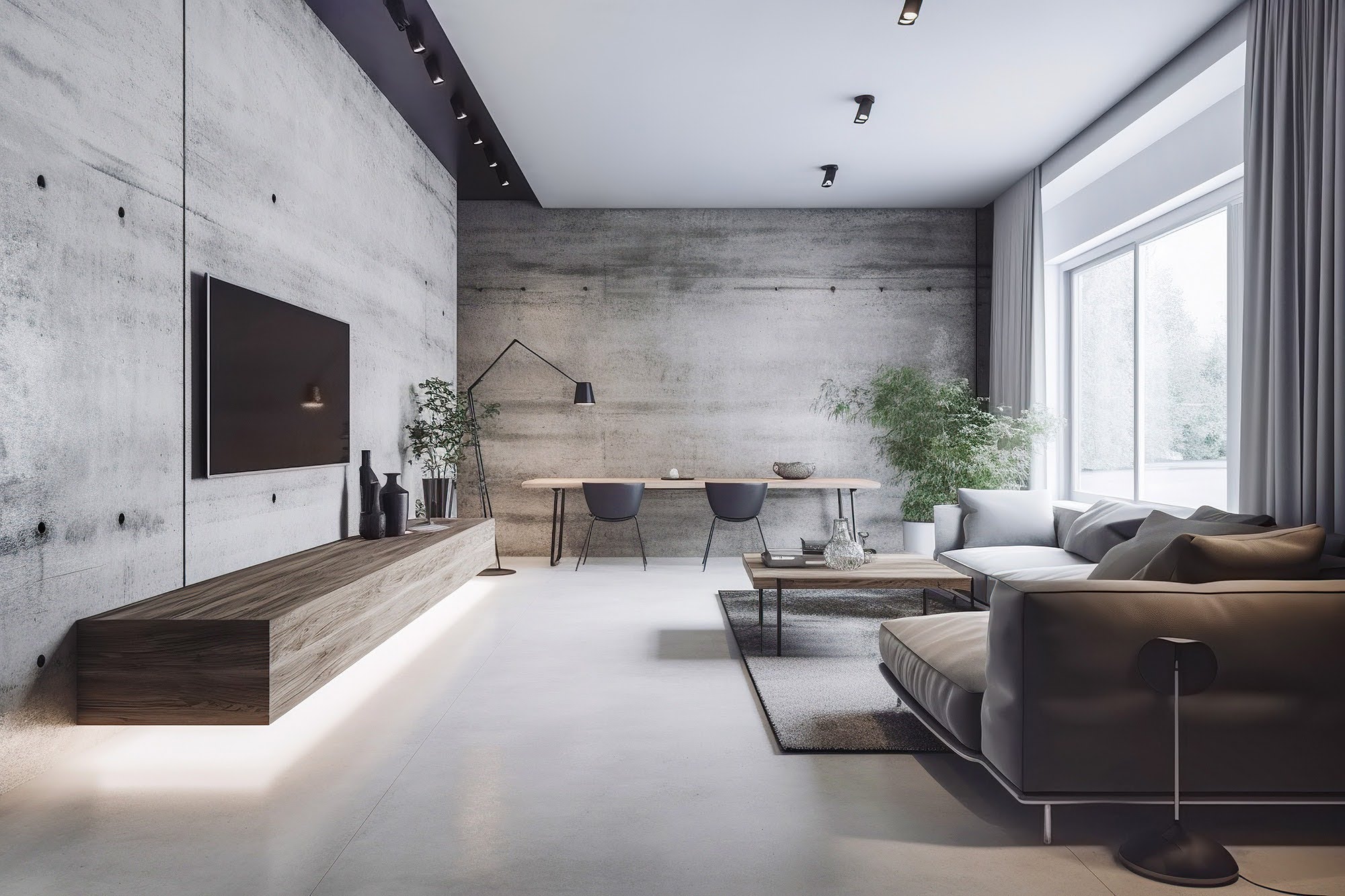
Cold floors are one of the most common complaints among Cleveland homeowners—especially during long winters. Heated tile floors, also known as radiant floor heating, have become an increasingly popular solution for adding comfort without sacrificing durability. When paired with tile flooring, radiant heat creates a warm, even surface that feels comfortable underfoot while standing up to Cleveland’s seasonal challenges.
At Carpet Warehouse Cleveland, homeowners often ask whether heated tile floors are worth the investment and which rooms benefit the most. Understanding how radiant heat works, what it costs, and where it performs best helps you decide if it’s the right upgrade for your home.
How Heated Tile Floors Work
Radiant floor heating systems are installed beneath the tile surface and gently warm the floor from the ground up. Unlike forced-air systems, radiant heat distributes warmth evenly without drafts or cold spots.
There are two common systems used with tile flooring:
Electric radiant heat systems, which use heating cables or mats
Hydronic systems, which circulate warm water through tubing
Tile is an ideal surface for radiant heat because it conducts and retains warmth efficiently, making it especially effective in Cleveland’s cold climate.
Comfort Benefits for Cleveland Homes
Heated tile floors provide a level of comfort that traditional heating systems can’t match. Instead of stepping onto cold tile on winter mornings, radiant heat keeps floors warm and inviting.
Key comfort benefits include:
Even heat distribution across the entire floor
No noisy vents or blowing air
Improved comfort in rooms with exterior walls
Reduced chill in high-moisture areas like bathrooms
For Cleveland homeowners who spend time barefoot indoors, radiant heat can significantly improve daily comfort during colder months.
Understanding the Costs of Heated Tile Floors
The cost of installing heated tile floors varies based on room size, system type, and subfloor condition. While radiant heat is an added investment, many homeowners view it as a long-term comfort upgrade rather than a short-term expense.
Cost factors include:
Type of radiant heating system
Square footage of the space
Electrical or plumbing requirements
Tile selection and installation complexity
Heated tile floors are often most cost-effective when installed during a remodel or new flooring project, rather than as a standalone retrofit. A free in-home flooring estimate helps determine realistic costs for your specific space.
Best Rooms for Heated Tile Floors in Cleveland
Radiant heat can be installed in many areas of the home, but some rooms benefit more than others due to usage patterns and exposure to cold.
Bathrooms
Bathrooms are the most popular room for heated tile floors. Tile is already a common choice here, and radiant heat eliminates the shock of cold floors on winter mornings.
Benefits for bathrooms include:
Consistent warmth in small spaces
Enhanced comfort after showers
Reduced moisture-related chill
Porcelain tile is often preferred for heated bathroom floors due to its durability and moisture resistance. Homeowners can browse tile flooring options to find styles suited for radiant heat systems.
Kitchens
Kitchens are another excellent candidate for heated tile floors, especially in Cleveland homes where tile is used for durability and easy cleaning.
Radiant heat in kitchens provides:
Comfortable standing areas for cooking
Even warmth across large open layouts
Improved comfort during winter meal prep
Kitchens that connect to exterior doors or mudrooms benefit greatly from added floor warmth.
Mudrooms and Entryways
Mudrooms take a beating during Cleveland winters. Snow, salt, and moisture are unavoidable, making tile the practical flooring choice.
Adding radiant heat to mudrooms:
Helps dry moisture tracked in from outdoors
Keeps the space warmer and more comfortable
Reduces cold transfer to adjacent rooms
Porcelain tile paired with radiant heat offers durability and comfort in one of the home’s hardest-working spaces.
Rooms Where Heated Tile May Not Be Necessary
While radiant heat offers comfort, it’s not always needed in every room. Bedrooms and living rooms often use other flooring types that retain warmth differently.
In those spaces, homeowners sometimes explore alternatives such as luxury vinyl flooring or laminate flooring, depending on comfort and design goals.
Installation Considerations for Cleveland Homes
Proper installation is essential for radiant heat performance. Older Cleveland homes may require subfloor preparation before heated systems can be installed safely.
Professional installation ensures:
Correct system placement
Proper insulation beneath heating elements
Compatibility with chosen tile materials
Planning radiant heat early in the flooring project helps avoid delays and unexpected costs.
Radiant Heat and Energy Efficiency
Radiant floor heating is often more efficient than homeowners expect. Because heat rises evenly from the floor, rooms feel comfortable at lower thermostat settings.
While radiant heat isn’t typically a home’s primary heating source, it complements existing systems and enhances comfort where it’s needed most.
Explore Heated Tile Floors with Carpet Warehouse Cleveland
Heated tile floors combine durability, comfort, and modern convenience—making them a smart upgrade for many Cleveland homes. Whether you’re renovating a bathroom, updating a kitchen, or improving a mudroom, radiant heat adds everyday comfort that’s hard to match.
Visit the Carpet Warehouse Cleveland home page to explore flooring solutions, then stop by the Cleveland showroom location to see tile options in person. You can also contact the team directly or schedule a free flooring estimate to find out if heated tile floors are right for your home.


