

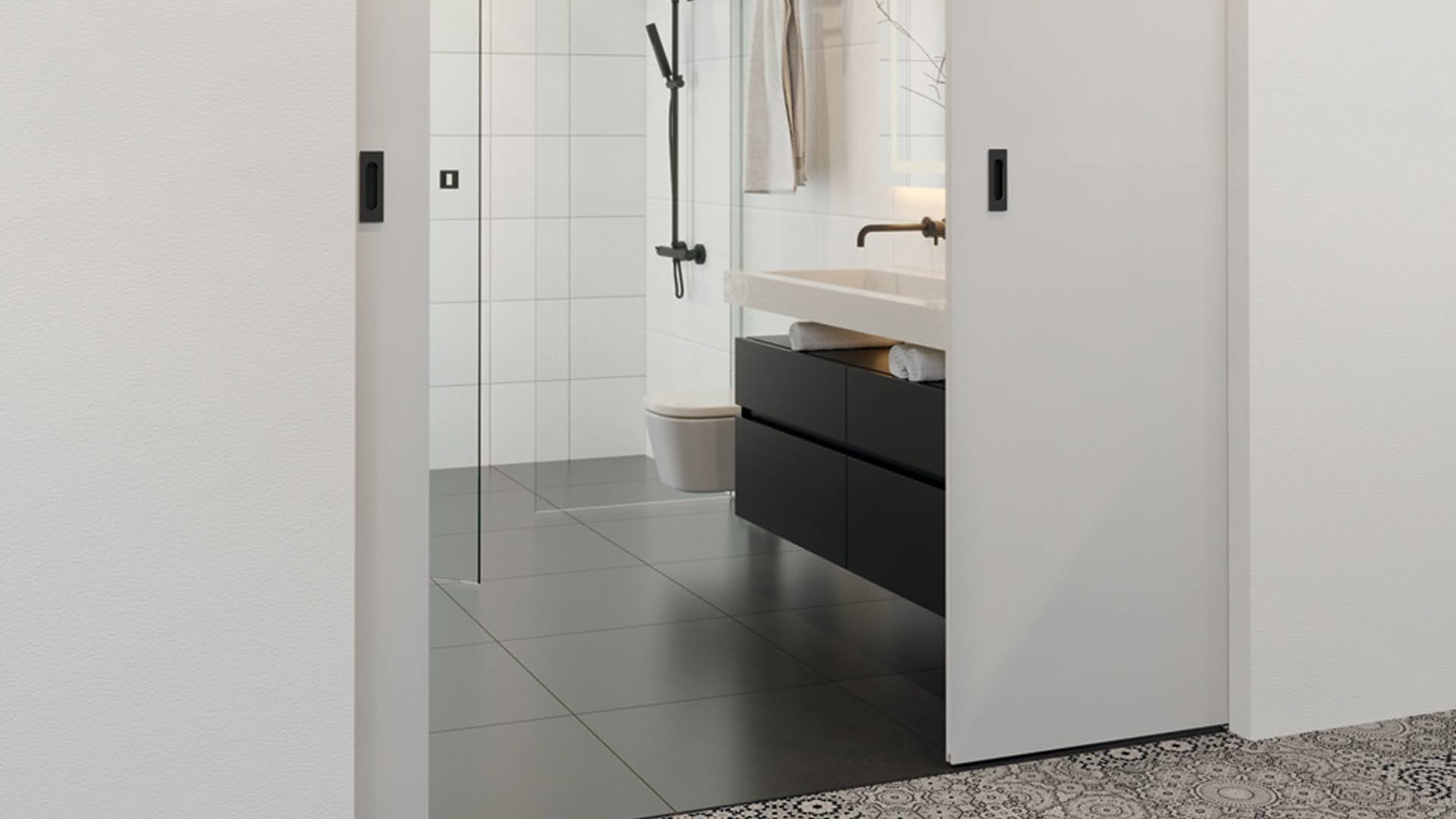
Tile flooring has long been a favorite for Cleveland homes, especially in spaces exposed to moisture, dirt, and heavy foot traffic. Kitchens, bathrooms, and mudrooms all demand floors that can handle real-life conditions—snowy boots, humidity, spills, and constant use. Two of the most common choices homeowners compare are porcelain tile and ceramic tile.
At Carpet Warehouse Cleveland, homeowners often ask which option is better for their space. While porcelain and ceramic tiles may look similar, they perform differently depending on where they’re installed. Understanding those differences helps ensure your floors last and look great for years.
Porcelain and Ceramic Tile: What’s the Difference?
Porcelain and ceramic tiles are both made from clay and fired in a kiln, but the materials and manufacturing process set them apart.
Porcelain tile is made from a more refined clay and fired at higher temperatures. This creates a denser, less porous tile that resists moisture and wear exceptionally well.
Ceramic tile is slightly softer and more porous. It’s still durable and attractive, but it’s best suited for areas with lighter exposure to moisture and traffic.
Both options offer a wide range of styles, colors, and finishes, making them popular choices when homeowners browse tile flooring styles for Cleveland homes.
Cleveland Climate Considerations
Cleveland’s climate plays a major role in tile performance. Winter snow, ice melt, spring rain, and summer humidity all affect flooring over time. Entry-adjacent rooms and wet zones need tile that can handle moisture without cracking, staining, or becoming slippery.
That’s why selecting the right tile type for each room is just as important as choosing the right color or pattern.
Porcelain Tile for Kitchens
Kitchens are one of the most demanding rooms in any home. Porcelain tile is often the top choice for Cleveland kitchens because of its strength and moisture resistance.
Benefits of porcelain tile in kitchens include:
Low water absorption for protection against spills
High durability for dropped cookware and heavy appliances
Resistance to stains and scratches
Easy cleaning for busy households
Porcelain tile is especially useful in kitchens that connect directly to mudrooms or entryways, where wet shoes and grit are common.
Ceramic Tile in Kitchens: When It Makes Sense
Ceramic tile can still work well in kitchens with moderate use. Homes without heavy traffic or frequent moisture may find ceramic tile a cost-effective and stylish solution.
Ceramic tiles are often chosen for:
Smaller kitchens
Decorative backsplashes and accent areas
Homes with lighter daily use
When paired with proper installation and sealing, ceramic tile can perform well in Cleveland kitchens that don’t see constant wear.
Porcelain Tile for Bathrooms
Bathrooms are exposed to humidity, splashes, and frequent cleaning. Porcelain tile’s density makes it ideal for these conditions.
Why porcelain works well in Cleveland bathrooms:
Minimal moisture absorption
Better resistance to mold and mildew
Strong performance under radiant heating systems
Long-term durability in wet environments
Textured or matte porcelain finishes also improve slip resistance, which is important for safety in bathrooms.
Ceramic Tile in Bathrooms
Ceramic tile is commonly used on bathroom floors and walls, especially in powder rooms or guest baths with limited use. It offers flexibility in design and is often easier to cut for intricate layouts.
Ceramic tile works best in:
Guest bathrooms
Half baths
Wall applications
Proper grout selection and sealing are essential to maintain ceramic tile performance in humid spaces.
Mudrooms: Porcelain Takes the Lead
Mudrooms in Cleveland homes see some of the harshest conditions—snow, salt, mud, and constant traffic. Porcelain tile is typically the better option for these spaces.
Porcelain tile advantages in mudrooms include:
Superior resistance to moisture and freeze-thaw cycles
Strength against grit and debris
Easier maintenance during winter months
For homeowners looking to design a durable entry space, porcelain tile offers peace of mind through every season.
Slip Resistance and Finish Selection
Tile finish matters just as much as tile type. High-gloss tiles can become slippery when wet, especially in bathrooms and mudrooms.
For Cleveland homes, many homeowners choose:
Matte finishes for better traction
Textured surfaces in entry areas
Larger tiles with fewer grout lines for easier cleaning
A professional consultation helps ensure the finish matches both safety needs and design goals.
Installation and Subfloor Considerations
Tile installation requires a solid, properly prepared subfloor. Older Cleveland homes may have uneven surfaces that need attention before tile is installed.
Professional installation ensures:
Proper subfloor preparation
Correct mortar and grout selection
Long-term performance without cracking
Homeowners often schedule a free in-home flooring estimate to evaluate their space and determine whether porcelain or ceramic tile is the best fit.
Exploring Alternatives for Moisture-Prone Areas
In some homes, fully waterproof flooring alternatives may be considered for certain rooms. Kitchens or lower-level spaces may benefit from products designed to handle standing water.
If you’re comparing options, you can also browse waterproof flooring solutions or explore luxury vinyl flooring styles that mimic tile while offering added moisture protection.
Visit Carpet Warehouse Cleveland for Tile Expertise
Choosing between porcelain and ceramic tile doesn’t have to be overwhelming. The right choice depends on room use, moisture exposure, and lifestyle needs.
Visit the Carpet Warehouse Cleveland showroom to see porcelain and ceramic tile options in person, compare finishes, and get expert guidance tailored to Northeast Ohio homes. You can also explore products online through the tile flooring collection or connect with the team via the contact page.
When you’re ready to move forward, schedule a free flooring estimate and take the next step toward durable, beautiful tile floors designed for Cleveland living.


